Archive

Author Archive
06 Oct

My ONA Rich Jaroslovsky Founder Award speech

Comments off


I can’t express how honored I am to be recognized by the Online News Association with the Rich Jaroslovsky Founder Award, joining some incredible people and friends.

While I had an idea of what I wanted to say, I wasn’t sure I would be given a moment to deliver a speech.

Once I learned I was going to have a few minutes to speak, I quickly wrote my speech on the Notes app while at the luncheon table.

Here is the text, plus some edits I failed to include.

We come to this place… for magic.
We come to ONA to laugh, to cry, to care.

The real ones know.

First, thank you to my wife and son — their support and sacrifices enable me to be here.

Thank you my friends… the ONA Board and Rich for this incredible honor. Thank you to former ONA executive directors Jane McDonnell and Irving Washington for being allies and tolerating me. Niketa, you are warned. :)

I also want to do a special shout out and thank you to former ONA staffer Jeanne Brooks, who passed away earlier this year, for conspiring with me to make this community what it is today. Sher is dearly missed.

Thank you to this community for honoring me — despite knowing my, as a friend put it, “chaos muppet” energy.

I am a misfit that often feels out of place.

But I have been blessed misfit where people have looked out for me and welcomed me into spaces.

They shaped how I carry myself today.

At the NAHJ — and the executive director and friend for decades Yaneth is here — I began to see myself in this industry.

And here at ONA, I got to be myself — my nerdy self.

Whether it is the ONA Pajama Jam or it’s BLANK.

I tell folks we need these places to remind us that we are not crazy and that we are certainly not alone.

At ONA I got onto the board and am proud of the work done there.

It put me in rooms where decisions were being made — in rooms where it happens.

And it taught me that daunting responsibility to have the courage to speak up.

We need to have the courage to say the thing that makes us uncomfortable— make even our colleagues, friends and community uncomfortable.

And yet ONA still gave me this award. Ask me former board mates.

And, in that spirit… if I may.

If you are an immigrant, please stand.

Children, grandchildren of immigrants, please stand.

If you are part of the LGBTQi+ community, please stand.

If vaccines have saved your life, please stand.

If you have been impacted by gun violence, please stand.

If you believe in giving voice to the voiceless, please stand.

Believe in comforting the afflicted and — despite the attacks and false calls of bias — afflict the comfortable with good journalism, please stand.

If you are an ally. Please stand.

Look around.

There are more of us than there is of hate.

And I want you to keep all of us in mind when you have to get uncomfortable to say the needed uncomfortable thing.

Remember us standing with you as you approach your editor — or if you are the editor.

Stand up and speak up for the use of the correct words.

It’s not racially tinged. It’s racist.

It’s not alternative facts. It’s a lie.

It’s not “politics done the right way” it is politics aimed at dehumanizing and hate.

Women’s rights are human rights.

Trans rights are human rights.

And, if you are like me, what I am seeing happening is called genocide.

We have to use the right words even when it’s involving communities we love and support and are a member of.

Use you voice, no matter how shaky is may sound.

Thank you for what you do.

Stand up and keeping doing it.

Muchisimas gracias!

Adelante!!

Categories: ONA, Speech Tags:
15 Dec

We’ll draw the lines we will not cross

Comments off

Nieman Lab. Predictions for Journalism, 2025
https://www.niemanlab.org/2024/12/well-draw-the-lines-we-will-not-cross/

In the past, I’ve made predictions about emerging tech or, like last year, predicted the painful shortcomings of our industry leaders. (I’m sorry that one keeps coming true.)

This year, I could predict that Bluesky will successfully emerge as the new social media platform of choice for news/media friends and junkies. (Follow me here.)

Or I could predict, rather reliably, that an AI “news” product will fail miserably and continue to reveal the tech’s inability to match the (grifter) hype. (I fully believe in the tech, just not the vendors who are selling it to uninformed leaders hungry for an easy answer to address their ongoing shortcomings.)

Or that an owner of a news org will choose to appease the president-elect in order to advance their personal financial self-interest. Or, hell, all three at once.

But this year, I predict that you — yes, you — will stand up, speak up, and do the right thing for the communities we aim to serve, including many who either are or will be under attack by the incoming administration.

I predict that you — possibly in a small conference room with just a handful of colleagues, or in a one-on-one meeting with your boss, or on a stage in front of a large audience, or most likely through an email — will realize that this is the moment you can’t stay silent and must finally speak up.

Trans people are human beings. Immigrants are human beings. Palestinians are human beings.

Women’s rights are human rights. A lie is a lie, not an alternative fact. Racism is racism, not “racially tinged.”

Not all stories have two sides. And some that do do not have equal weighted sides. There are going to be so many of these big moments, so be prepared.

Before the start of the new year, I want you to write down and remember: What are your values? What do you stand for now…before it gets any tougher? Are you willing to speak up? Are you willing to quit your job? Are you willing to put your safety on the line for those values?

I don’t pretend to know where each of us will draw the line — but I believe that we each have a line that we will not cross and where we can no longer stay silent.

And while many of us have the luxury of time to contemplate where our line may or may not be, many, many others do not. They have been harassed. They have been attacked. They have been killed. This is not an exercise of “what ifs” — it’s a reality of “what now.”

And I have faith that you — yes, you — will stand up to meet the moment to give a full-throated answer to whatever tough question this new reality will bring you.

The time has come to speak up for what you think is right. Don’t let our communities — especially the vulnerable ones that are current being attacked and dehumanized — down. Don’t let me down. More importantly, don’t let yourself down.

14 Dec

The wrong people will be laid off…again

Comments off

Nieman Lab. Predictions for Journalism, 2024
https://www.niemanlab.org/2023/12/the-wrong-people-will-be-laid-off-again/

My entire career, I have attempted to push our newsrooms’ cultures to embrace new technologies, new opportunities, and new realities in our industry. I’ve written some past predictions about this work here too. But, as we enter a new year, it is time to admit that embracing these disruptions in our newsrooms is no longer the largest obstacle we face.

There are countless examples of how — despite not having appropriate resources — journalists have done more with less and succeeded in producing quality products across the growing landscape of modern journalism. Whether it is newsletters, podcasts, social media, or live events, journalists have not only embraced these new forms, they’ve elevated journalism and brought in new audiences.

What has continued to fail is the leadership and executives running the business. They fail to monetize these successful new news products, while other content producers seem to make money.

Journalists are not the problem. Editorial management (a.k.a. newsroom leadership) is no longer the problem — mainly because they’ve retired or, sorry to be blunt, died and more modern leadership has taken over. Culture to embrace our digital/modern reality is not the biggest problem. Everyone gets it.

Despite producing award-winning, audience-attracting news products, our business side executives have failed to lead and find ways to monetize them.

Yet when layoffs come, those who sold us the false business ideas of “pivot to video” or “get me their emails” or “put on live events” or “we need new podcasts” or “let’s get IP to sell to Netflix” aren’t the ones paying the layoff price. We’ve all seen many of these leaders not only stay but get promoted — and in some cases be the authors of the memos announcing newsroom cuts.

I am not saying they’re our enemies. Far from it. For any news organization to succeed, we need to be partners, collaborating as we find innovative solutions to sustain our journalism and serve our community. Whether you are a journalist or a money person, that is the sole mission — either get on board or get out. And there are examples of this in both local and national markets.

What I’m saying is it’s time to hold our business executives accountable. Look at your direct boss — chances are they aren’t making the business decisions, just putting them into practice. They may tell you we need a TikTok presence or it’s time to leave X for Bluesky (I have codes, btw), but they don’t have a clue how these new products will be converted into revenue.

But you do it anyway — and you do it well.

Now think of your boss’s boss…or even their boss. If they aren’t charged with finding revenue, they have a colleague on the business side, and these are the people who are suppose to bring us to modern financial stability.

How often do these executives face consequences, like a general assignment reporter in the newsroom? Chances are they’ve gotten bonuses and raises, while newsrooms fight for better pay. Chances are they’re currently laying off people in the name of AI — and when they mishandle that technology, they’ll pivot to the next thing, not facing consequences.

Chances are they have left a gutted organization and are (somehow) raising millions for a new news startup — which, based on their track record, will fail and lead to more layoffs.

I’m not naive enough to think that this prediction is going to have them face their shortcomings, or that there aren’t a few executives doing the best they can. Yes, yes, yes — hedge funds are a huge problem. No doubt.

But if there is a news org that is genuinely trying to produce a viable product, then there had better be business leadership that delivers — or gets replaced if it doesn’t.

And when someone asks you to launch a new news product, you better be proactive and hands-on working with the business side collaboratively, finding ways to monetize it.

If we have a dedicated journalist to produce a successful newsletter, then we need them to have a dedicated business person to monetize it. And their challenge needs to be to fund their salaries and bring additional revenue into the newsroom budget.

Everyone needs to roll up their sleeves to produce and fund journalism. If making money off journalism is your job, deliver or step aside. If they aren’t held accountable, the wrong people will be laid off again.

Categories: Nieman Lab Predictions Tags:
07 Aug

My NAHJ Hall of Fame 2022 speech

Comments off

NOTE: I am a product of NAHJ — from a student to now a inducted into this great organization’s Hall of Fame. In 2022 the conference gathered in Las Vegas and, while I wrote this speech, I didn’t get a chance to deliver it. I had a small time window so I gave a light version of it. So, here it is in its entirety.

We come to this place for magic.

We come to NAHJ to laugh, to cry, to care. Because we need that, all of us.

That indescribable feeling we get when we see each other… and realize we are not alone.

Shoutout to the three people who got those wise words. Thank you Nicole.

NAHJ, I know I am between you and dancing with drinks, but when you get a stage like this, you have to use it to say some things.

First, thank you to NAHJ… the board for giving me this honor. This staff… my god, this staff. Yunuen, Leslie-Anne…. Yaneth, mi hermana salvadoreña. From Ivan Roman to Alberto Mendoza. And welcome David!

Thank you to Veritas group – BA and team.

Thank you to so many people whose shoulders I am standing on. As a student, I applied for the student projects and got into student campus… the following year to the Latino Reporter.

Thank you to the mentors then – like Regina Media and, a legend, Jon O’neill – and mentors now, including at USC. Marilyn Garateix for nominating me – please go vote, and give Marilyn that vote of support. Michelle Johnson, Doug Mitchell… the JOC Slack, my D&D crew on the JOC Slack.

So. Many. People.

When someone pitched the idea of getting this nomination, I asked if it could be awarded to my family rather than me.

We all know the truth – whatever sacrifice we do for our careers, our family sacrifices too.

Y’all know the membership drive that took us to 3,000? I was suppose to be on vacation.

But when I asked my wife, Connie, about the idea of the family honor she said, and I quote, “the hell is the matter with you?!”

Connie, baby, monster… thank you for being the best friend and best editor. Y’all, I turn to her for advice and guidance and she has saved me so many times.

She also ran the student online projects when I did years ago… she is a lifetime member… she is as worthy of this recognition as I am, but she will never take that attention.

I love you.

You know, reflecting on my career I have been involved with and made some incredible things.

But none of those… not one… compares to co-creating my son, Nico. Many of you have seen him grow up here at NAHJ, starting at the Puerto Rico conference.

Nico, I am jealous – jealous – of the man you have become. I am so proud of you. Maybe talk back a little less, but never let anyone shut you up. Me included. (I am going to regret that.)

Many of you may not know this, but alongside Nico at conferences has been my mom who is here tonight.

Talk about sacrifices.

She cleaned houses – like many of your parents did – to pave the way for me to stand on this stage.

She moved us back to El Salvador when my alcoholic dad – who I love with all of his faults, RIP – was too much, to put it lightly.

My mom often apologized to me for moving us to El Salvador.

Mami, yo estoy aqui solo por tus sacrificios. Gracias por todo que has hecho por mi y mis hermanos.

NAHJ, family is important and when I look at this room I see my journalism family.

And, sometimes, we need to have some tough family talks.

I know your struggles in your careers, your newsrooms with that boss.

Micro and maco aggressions.

I know it is tough.

Like a wise man said, for many of us, “we have to be more Mexican than the Mexicans and more American than the Americans” … salvi in my case.

I know it is tough.

But the industry – the world – is better because you are in it.

Don’t just settle to be in the room, any more. Own that seat at the table. And build the next table.

NAHJ, I need to say some things.

Being in support of human rights is not a bias stance… supporting human rights does not threaten objectivity.

Women’s rights are human rights.

Therefore, supporting a women’s right to choice needs to be embraced and amplified.

I am a catholic man, cis male… while my faith guides me, you don’t need a higher power to see that love is love… that pronouns are not a threat… that this country was built on the backs of slaves and immigrants.

As a kid I always wondered what I would have done if I was around during Nazi times… well… we live in interesting times.

White supremacists are here. They are as insecure as ever, willing to kill people that look like us… that may love differently. That may speak differently… that identify differently.

Newsroom leaders, if you are not up to meet this moment – where our exists is treated as a bias or a threat – step aside. Because there is a flood of talent that is ready to drown out this hate without having the false “both sides” bullshit.

Step aside. ¡Movete!

Where my students at?

Todos, do you have $35? Donate that small amount to pay for memberships to students and other Latine journos who need that help.

Todos, follow my footsteps and drink too much… and overcommit… and become a life time NAHJ member. Best drunk decision I ever made… they do payment’s y’all.

Each of you is playing an important role and do not forget that.

We are still in the middle of a world pandemic, so it is okay to be exhausted… depressed… worried…. and oh so fucking tired.

But do not give up. You have so many people to prove wrong and voices como nuestros to elevate.

Our heroes feel like the best parts of us, and stories feel perfect and powerful…

Because here… they are.

Gracias!

Fun fact: In addition to getting this prestigious honor, I also got COVID for the first time.

Categories: NAHJ, Personal Tags:
13 Dec

What the next generation of journalists thinks

Comments off

Nieman Lab. Predictions for Journalism, 2022
https://www.niemanlab.org/2021/12/what-the-next-generation-of-journalists-thinks/

This past semester, I taught my JOUR 323: Journalism and The Audience class at USC Annenberg. The user-focused course is mostly seniors with a few juniors, all of whom strategically launch a semester-long product to serve a particular audience or demographic.

As part of the class, we read and discussed one of last year’s Nieman Lab predictions each week.

It seems fitting that this year I turn my prediction over to them. Here’s what a few soon-to-be-graduating journalists predict will happen in the coming year.

Julia Barton, Class of 2022

“The impending climate crisis is arguably the most pressing issue of the 21st century, developing in tandem with a growing distrust in the media and political polarization in the United States, causing climate journalism to be met with undue skepticism, critique, and partisanship. In a time where information is abundant but facts are scarce, a journalist’s responsibility to serve their audience with objectivity has become notably more difficult, yet successful climate reporting is vital to combatting the climate crisis. As such, there is a dire need for a framework to guide journalists through the hefty and invaluable task of effectively reporting on climate topics so as to move toward solutions rather than fear and distrust.

“To improve the quality of reporting that goes into climate topics, journalists should have more than a basic understanding of climate, even if environmental coverage is outside of their beat. It can be argued that climate has ties to nearly any beat, and having the skills and knowledge to add a climate angle to a story not focused on climate change may be wildly beneficial for readers. Once newsrooms have established trust in climate facts internally, it becomes easier for those crucial facts to be established among our audiences. With this foundation, climate reporting can move in the direction of solutions journalism rather than constantly repeating the droning and upsetting general idea that we are in a climate crisis. We owe it to our readers and to ourselves to accurately report on climate–mother nature doesn’t discriminate.”

Jillian Carmenate, Class of 2022

“As the new generation of journalists enters the industry, journalism will become more meaningful and impactful. Journalists will intentionally connect with their audiences and tailor their content to better inform them. In addition, journalists will better serve audiences because they will report on the issues that are impacting their communities. As a journalism student, my classmates give me hope for the future of journalism because they are passionate about examining social and systemic issues with in-depth reporting.”

Annalysa Cowie, Class of 2022

“The Covid-19 pandemic really changed how the journalism industry worked. The biggest area impacted by the pandemic was the newsroom environment. Having to do your reporting from home and things turning completely digital was a big shift for everyone. A lot of editors and people who ran newsrooms before the pandemic were mainly Gen-X’s. When the immediate shift came to being online, the people who ran newsrooms were completely lost on how to navigate and report from their own homes. It allowed for millennials and Gen Z’s to truly shine in the newsroom and take over because of their digital presence and knowledge.

“I think we will continue to see a big shift in who runs newsrooms. While the pandemic had already motivated the older generations to take a step down and allow the millennials to take over how they are run, I think 2022 will continue this trend. While on the topic of being digital, I think we will continue to see newsrooms remain digital this upcoming year. Journalists have adjusted to doing their work from their own homes rather than going into a crowded office. Messaging apps like Slack have become the easiest way for newsrooms to function and I think they will remain that way. Lastly, people have completely swept the idea of physical newspapers and magazines under the rug and would rather prefer to have something at their reach at all times through their phones. While many large news companies have started to require a paywall to read their content, I think we will start to see smaller news companies require them as well.”

Julia Lin, Class of 2023

“The future of journalism doesn’t just meet the audience where they are at, it invites them in and knows them by name. It’s not just remembering that our audiences are people. For journalism to be personal, journalists must be allowed to be people too. In every sense of the word. Journalism that is personal convinces audiences they should care, it humanizes stories, and it acknowledges that every journalist, every editor and every reader everywhere shows up with an identity that can’t be checked at the door no matter how much we pretend. And it also means that journalists can be people in the newsroom too. That we write with voice, we take breaks and that we have, yes, boundaries.”

Maggie Morris, Class of 2021

“I believe that the journalism industry is going to make a noticeable shift toward casual reporting to engage younger audiences. Generally speaking, younger generations who are active in social media tend to watch media that provides some sort of relatability. Reporters who aren’t polished with perfect camera setups aren’t always going to grab a viewer’s attention, so I believe journalism is going to get creative in how they grab attention.”

Sophia Ungaro, Class of 2021

“In 2022 I hope we embrace the end of objectivity. While it may always be a requirement for journalists to maintain a certain level of professionalism and follow an ethical standard, it is absurd to ask that they erase facets of their identity to report accurately.

“Being subjective to certain matters allows for more substantial reporting and higher community engagement. Leveraging your human experience to connect with sources is a method to create trust within the community you serve as a reporter.

“When journalism begins to accept the death of objectivity, the industry will begin to thrive off relying on organic humanity rather than stiff, rigid and outdated mechanisms.”

Pauline Woodley, Class of 2022

“My perfect newsroom looks like me and my friends, it is run on compassion and care for all involved. It is fair and unafraid to do what is right. It is perfect in its imperfections, in the fact that we are going to get it wrong and we are going to admit are humanity when we do. It is having a voice that is distinctly yours and being able to share it. Being bold in speaking out against injustices. I’ve learned, of my time in college, that the only way I’m moving up in this industry is by lifting and being lifted.

“The most successful moments in my student-run newsroom have been filled with marginalized journalists getting to tell their own stories. We are journalists dedicated to telling the stories we were never told. In finding the gaps and filling them. This year more than ever I learned how important it is for people to have the space to speak for themselves. I work as a member of the Equity Board in my student-run newsroom. Our version of a diversity and inclusion section was sparked by the horrid events of 2020 and was always necessary. In navigating a return to in-person classes and a multimedia newsroom that had remained empty for a year and a half, I learned how important it is to uplift and build community rather than try and take center stage.

“The future of the media is in solidarity, specifically amongst journalists of color. In the last year especially there has been a need for fostering community. In a college newsroom at a predominantly white university, that looks like friendships formed with authentic intent. In our bubbles, we are heard and seen. It is much easier to raise our voice and fight for what’s right when we form friendships in the newsroom that have our back. Change comes with disruption, and the journalists of color, the marginalized journalists chatting by the water cooler are more than ready to disrupt.”

Robert Hernandez, Class of 2001

“I’m going to sneak in my prediction too: Old journalism will be swept away and replaced by newer, younger, more diverse journalism that looks like my students…the city we live in, Los Angeles…the state of California…the genuine melting pot of the United States. These young professionals are tired of waiting for their turn and will take the reins of leadership whether older generations are ready or not.

“I encourage you to hire them. But I also encourage the industry to embrace them, because these young professionals are going to be our bosses that will be in the position to hire us.

“Their time is now.”

Robert Hernandez is a professor of professional practice at the USC Annenberg School for Communication and Journalism.

Categories: Nieman Lab Predictions Tags:
15 Dec

Data and shame

Comments off

Nieman Lab. Predictions for Journalism, 2021
https://www.niemanlab.org/2020/12/data-and-shame/

It was a different time, the early 2000s. Among the largest and most influential media companies was Knight Ridder — a company many journalists today either don’t know or barely remember.

But some things remain the same. The lack of diversity in newsrooms was a huge, shameful problem — same as today.

Sure, Knight Ridder was famous as a digital innovator — for having the San Jose Mercury News be among the first papers to go online, even launching Mercury Center on AOL back in 1993. But for me one of their biggest innovations was toward the end of its corporate life: a program developed in partnership with the National Association of Hispanic Journalists.

(NAHJ has always been an innovator, too. They were the first ones to create student newsrooms at annual conferences and now leads a freelance-based publication to pay its members to produce journalism, palabra. Not only getting a seat at the table, but building their own table.)

The program I’m talking about debuted in 2003 and I want to see it return. The Parity Project was an investment and a commitment by participating newspapers to strive for a diverse newsroom that reflected the audience it was aiming to serve. It had other elements, like a community-based advisory board, but it was the commitment to diversity based on population data that was key for me.

The Parity Project was based on two things that were around back then and are even more influential now: data and shame. Those are the two things I predict 2021 will bring.

Yes, of course, news orgs that claim a commitment to diversity will continue to publish questionable pieces encouraging military responses to protestors or attacking women for wanting to be called “Doctor”; they’ll continue to hire White males for leadership positions rather than taking the opportunity to hire a qualified candidate of color; they’ll create fellowships that put journalists of color on limited contracts, while outright hiring others with the same experience at entry-level positions; they’ll continue to avoid dealing with their problematic staffer who writes racist, sexist, homophobic, ignorant columns or tweets. (Maybe they’re waiting the staffer to jump to Substack.) I could go on — and that would be the safest prediction to make (though, of course, I’d love to be proved wrong).

But unlike the past, 2021 will also bring a new level of appreciation for data and shame.

At great risk to their careers, we’ve seen journalists rise up and speak out to hold their employer accountable. That’s not new, per se — but to do it on social media, creating shame at an industry level and even building a national awareness is new.

Here at USC, there is an Instagram account called black_at_usc. It’s been a minute since it published, but the collection of anonymous stories amplifying the everyday racism — whether microaggressions or larger issues — offered data and shame. And it was effective. Deans and the university president noticed the account and were forced to address it, prompting changes.

This will happen more. It should happen more. And it will happen across many industries. There is plenty of data, and plenty of shame.

As in the past, leadership will make promises about how this time, this reckoning, is different. And yeah, like you, I have my doubts.

That’s where data and shame come in. Not only do we need to harness data and shame to hold newly elected politicians or those involved in the vaccine deployment accountable — we need to use it to hold ourselves accountable.

Here is what you can do now: Measure the demographics of the audience your organization is aiming to serve and put them up against the demographics of your newsroom. Print it out and hang it up through the newsroom — hell, use it as your Zoom background.

Raise awareness of our shortcomings via data. And shame leadership if they don’t do something about it. And hold leadership accountable when they promise to do something about it, but don’t. Data and shame.

Let’s take a moment to acknowledge that there is a portion of the population that will ignore the data and apparently has no shame. They are a loud and troublesome portion — but they are, in fact, the minority. Chances are your colleagues, your bosses, and your employers aren’t among that fringe group.

But if they are, you know what to do: data and shame.

Categories: Nieman Lab Predictions Tags:
10 Sep

Deepfakery: Watch and learn

Comments off

Call me jaded, but as someone who focuses on emerging tech for their work, it is not often when I hear a session or panel that offers new insights on new tech.

But when that does happen it feels like I struck gold!

That’s way I am writing this post.

Deepfakery is a livestream series pulling in some AMAZING speakers discussing the emerging tech known as Deepfakes. What I really appreciate is that these diverse experts – and they are genuinely diverse and inclusive – are offering insights from so many different aspects, expertise and perspectives.

Go watch these!

They come out every Thursday at 9AM PT / 12PM ET. The irony is that the video quality is choppy, but the content is GOLD!

Congratulations to WITNESSMedia Lab for putting on the series.

Faking the powerful


Thursday, August 27th, 12:00-12:45 pm EST

Bill Posters and Daniel Howe (Spectre Project) and Stephanie Lepp (Deep Reckonings) in conversation with Sam Gregory (WITNESS)

Not funny anymore: Deepfakes, manipulated media, parody and mis/disinformation


Thursday, September 3rd, 12:00-12:45 pm EST

Jane Lytvynenko (BuzzFeed News), Karen Hao (MIT Tech Review) and Brandi Collins-Dexter (Color of Change) in conversation with Corin Faife (WITNESS)

Using AI-generated Face Doubles in Documentary: Welcome to Chechnya


Tuesday, September 8th, 12:00-1:30 pm (NOTE: different day of week and longer slot as part of MIT Open Documentary Lab public lecture series

David France (Welcome to Chechnya) in conversation with Kat Cizek (MIT Co-Creation Studio)

Boundary lines? Deepfakes weaponized against journalists and activists


Thursday, September 17th, 12:00-12:45 pm EST
Samantha Cole (Vice) and Nina Schick in conversation with Assia Boundaoui (MIT Co-Creation Studio)

Manipulating memories: Archives, history and deepfakes


Thursday, September 24th, 12:00-12:45 pm EST
Francesca Panetta (MIT’s Center for Virtuality) and Halsey Burgund (In Event of Moon Disaster), James Coupe (Thoughtworks Synthetic Media Resident 2020), Yvonne Ng (WITNESS) in conversation with William Uricchio (MIT)

Still funny?: Satire, deepfakes, and human rights globally

Thursday, October 1st, 12:00-12:45 pm EST
Julie Owono (Internet Sans Frontieres) and Evelyn Aswad (University of Oklahoma) in conversation with Sam Gregory (WITNESS)

Still funny?: Political satire in Brazil with Bruno Sartori

Thursday, October 8st, 12:00-12:45 pm EST
Bruno Sartori (Brazilian political and popular deepfake satirist) in conversation with TBC

Categories: Technology Tags:
06 Jun

My NAHJ Class of 2020 speech

Comments off

The National Association of Hispanic Journalists held a virtual graduation for Latnix students who graduated this year and I was asked to join an incredible group of journalists to give a 5-minute speech.

The event featured Latino/a leaders and role models in the industry, including special remarks from keynote speaker María Elena Salinas alongside Maria Hinojosa, José Díaz-Balart, Fin Gómez, Obed Manuel-Estrada, Joy Diaz and more.

For those interested, here is my speech:

Hola todos,

It is a genuine honor to get to speak to you today… congratulations on your HUGE achievement.

I want to start with a simple statement: there is no pipeline problem.

Managers like to say they just can’t find qualified journalists of color when hiring for a position.

We know that is a lie… How? Simply because you exist.

You prove them wrong.

You have been proving them wrong before college… and you will have to continue to prove them wrong after college.

Look, you deserve to be hired.

Your voice deserves to be heard.

Your work deserves to be supported.

You deserve equal pay for equal work.

You deserve mentorship and growth.

You will deserve that promotion.

But, the reality is, you might not get it.

And that’s not okay.

Here’s the thing: you don’t have to settle for their answer.

You are going to have to continue to fight to get what you deserve… and it won’t be easy.

To quote a wise man: “We gotta be more Mexican than the Mexicans and more American than the Americans, both at the same time. It’s exhausting!”

For the record, I’m not Mexican. Pues, I’m Salvi. ??

But the point is still the same… we have to work harder than others to get what we deserve.

It’s tiring.

It’s frustrating.

It is not fair.

But it is extremely important.

We need your voices.

Our diverse communities need your perspective – need your physical presence – in our newsrooms across the country.

I’ve been in newsrooms where the janitor and I were the only Latinos.

I’ve been in newsrooms – big ones – where me and a Korean guy were the only ones who spoke Spanish.

I learned, somewhat reluctantly, that I needed to own a seat at the table.

It is scary… to take that seat – I am talking about a literal seat – at the table during the morning meeting or A1 meeting.

But I took that seat.

And we need you to take that seat too… not only for our community, but for every community that isn’t at the table.

Yes, sometimes we will have to build our own table.

Sometimes we have to take a smaller seat.

Sometimes we’ll be at the head of the table.

But we have to make sure we’re in the room and at that table.

It’s exhausting, but important.

As you continue your journey and dive into your careers, I want you to remember two things:

1. As our Queen says: Always stay gracious. The best revenge is your paper.

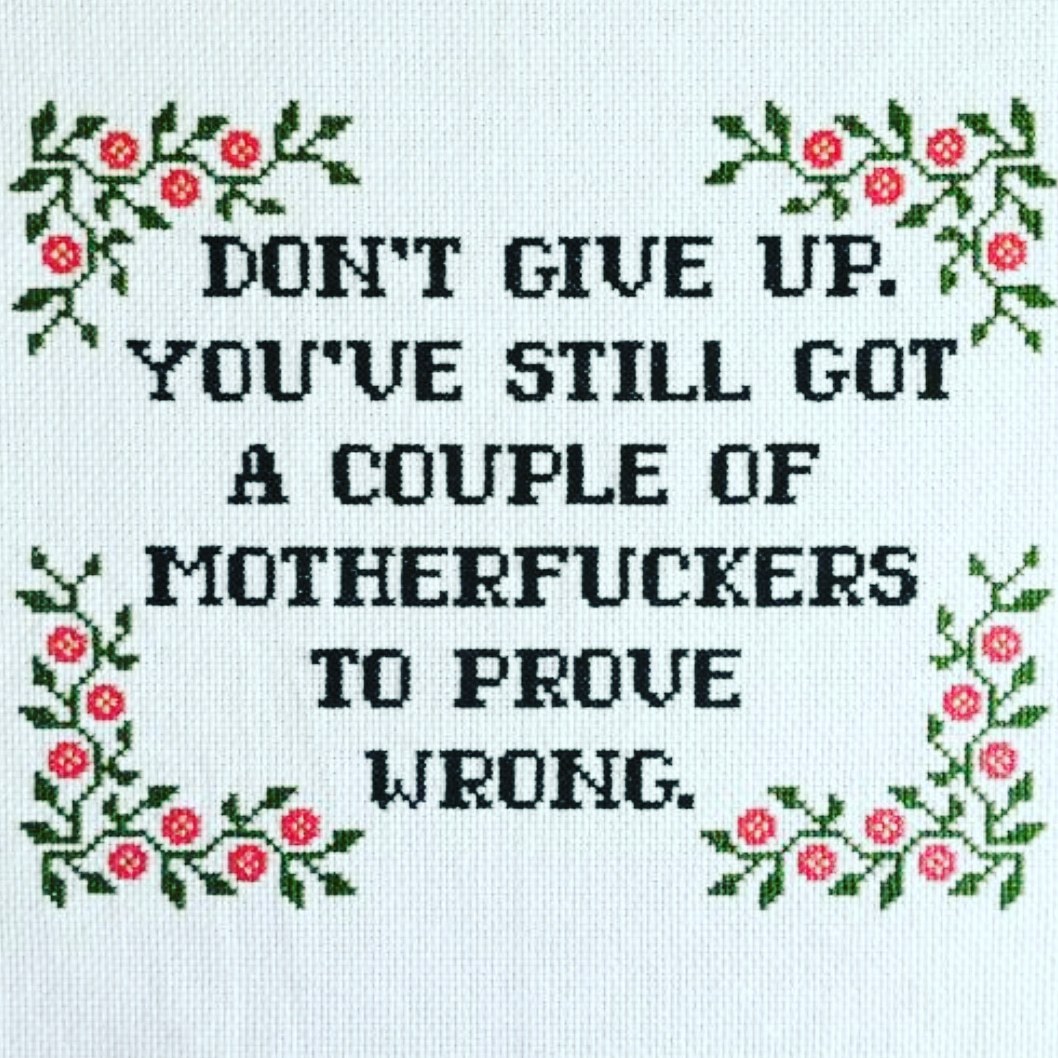
2. And, lastly, don’t give up. You’ve still got a lot of motherf*ckers to prove wrong.

Congratulations Class of 2020, Class of COVID19, Class of The Uprising.

Continue to prove them wrong and Fight On!

Categories: Academia, NAHJ, Personal Tags:
02 Apr

Zoom Backgrounds

Comments off

We all cope in different ways. Me? I often turn to photoshop or make memes.

While COVID19 has us hunkered down in place, Zoom backgrounds can be one tiny bright spot to have fun.

Here are some that I made and/or collected.

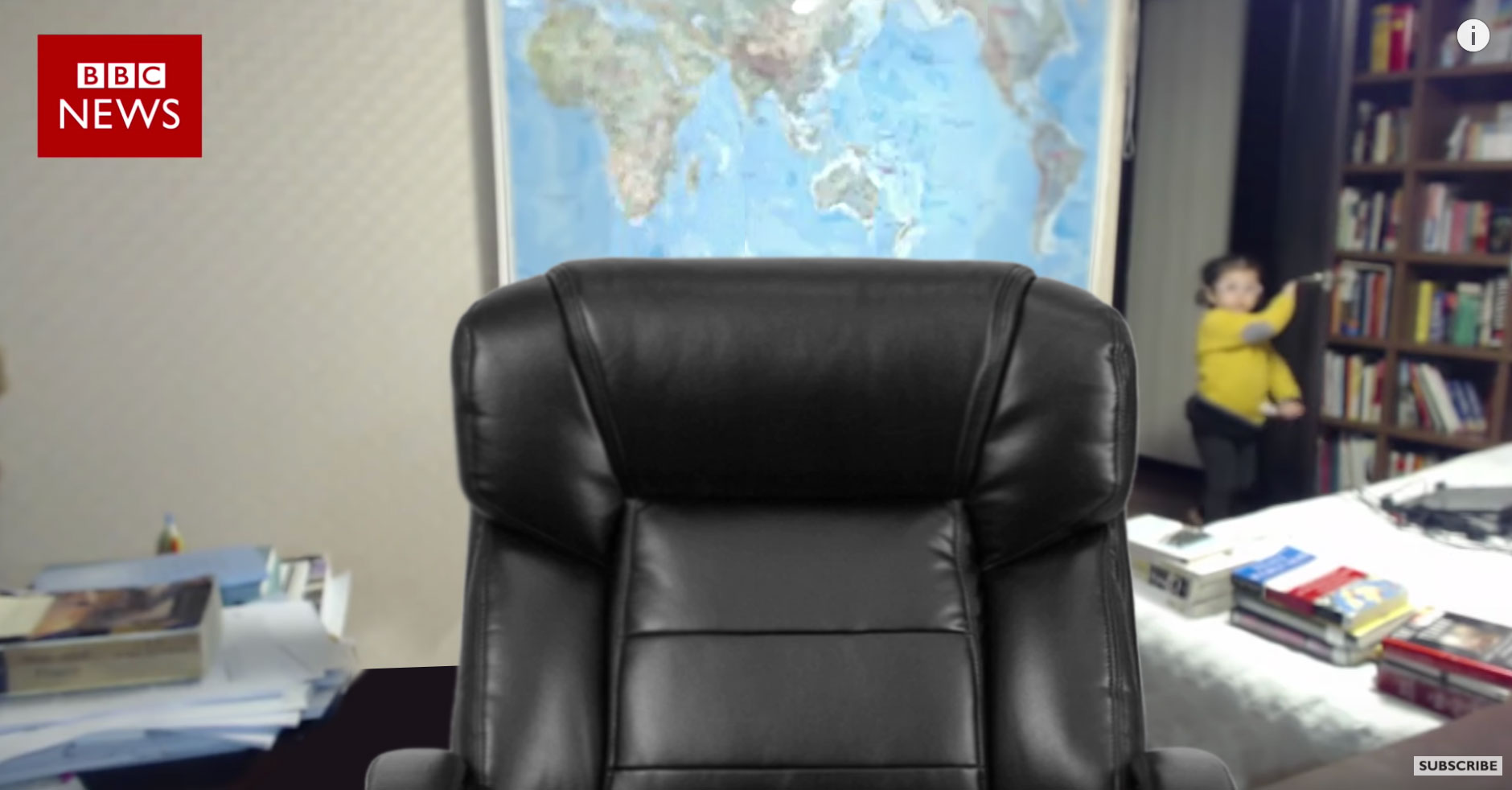
BBC Interview Interrupted:
I rebuild this room by mashing up different videos to get it just right… and I added the chair. This is, by far, my favorite background. It works perfectly!

Now as a video!

It’s Fine:
Not mine and not my original idea, but I live this background.

Some Zoom accounts can use videos as backgrounds, so here is an animated/looped version.

Homer and the Hedge:
This meme makes for a great zoom backdrop.

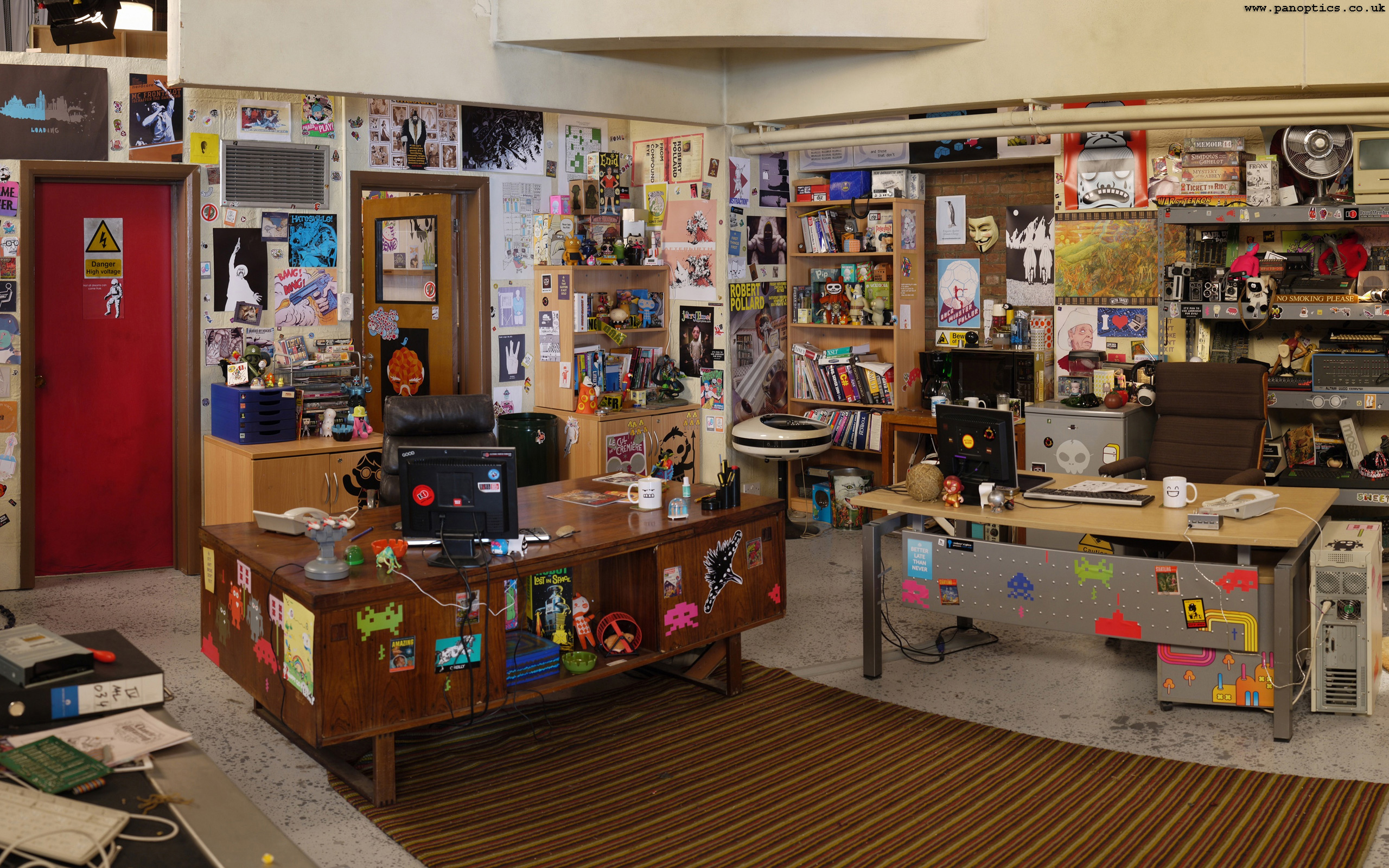
IT Crowd:
The classic set from The IT Crowd

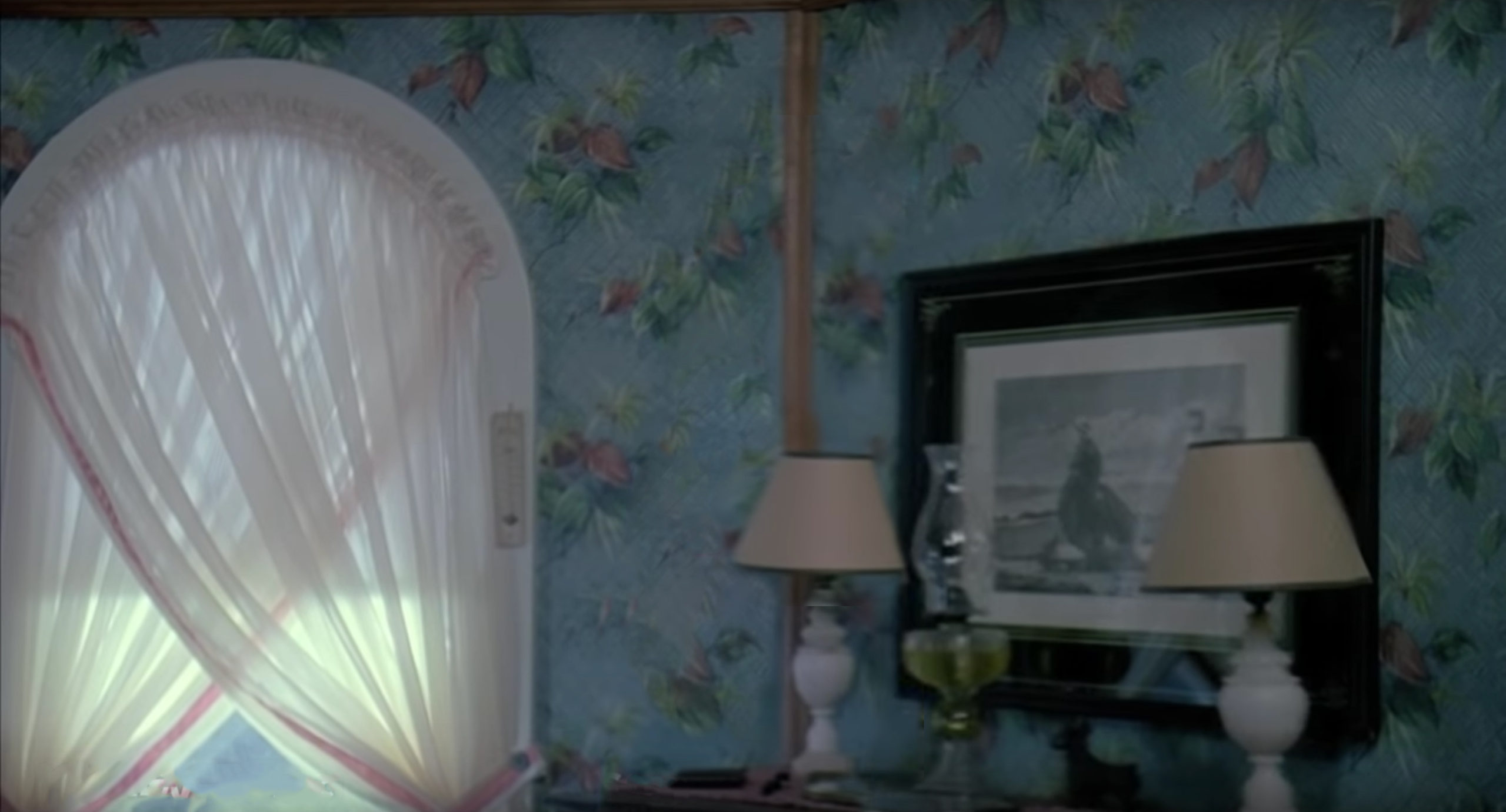
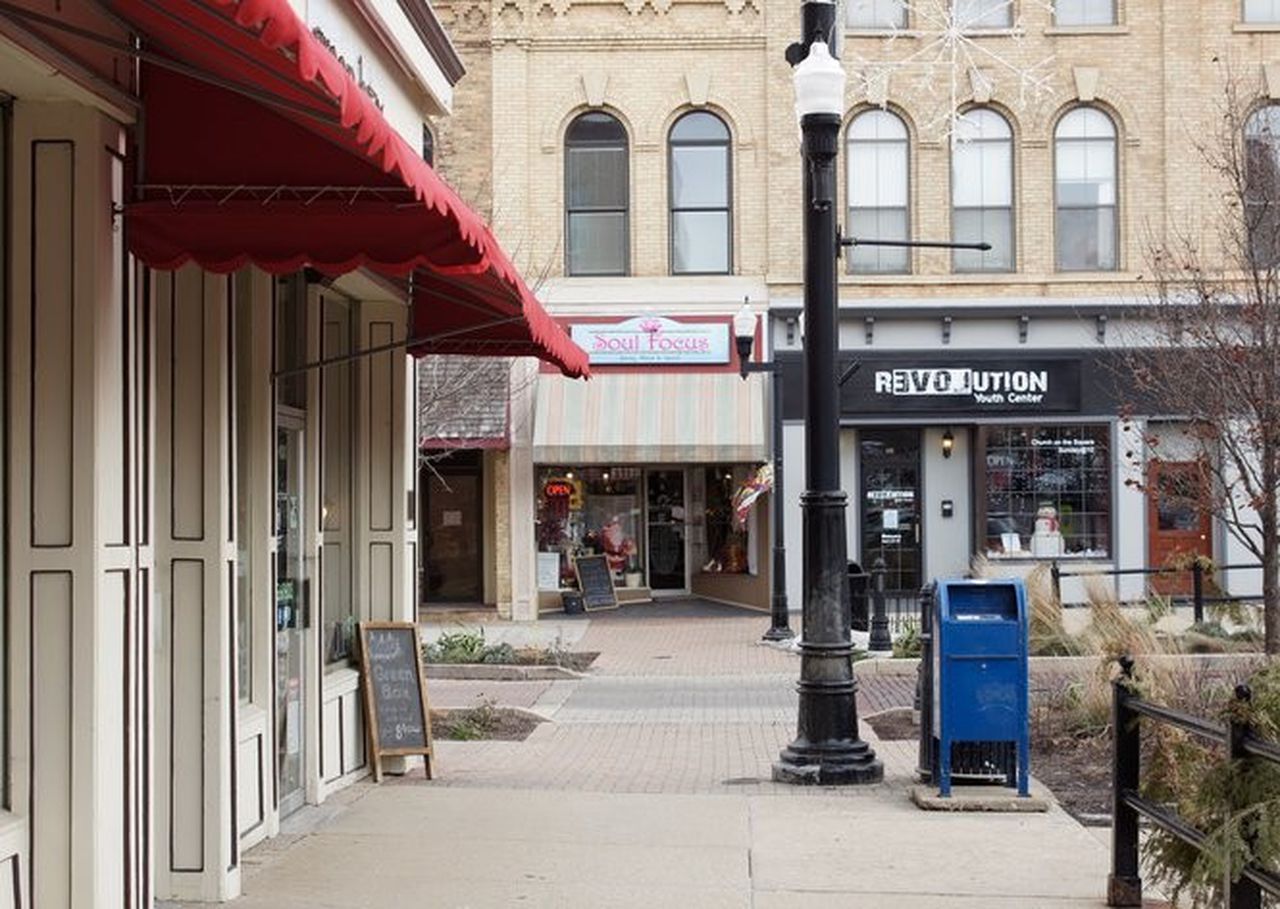
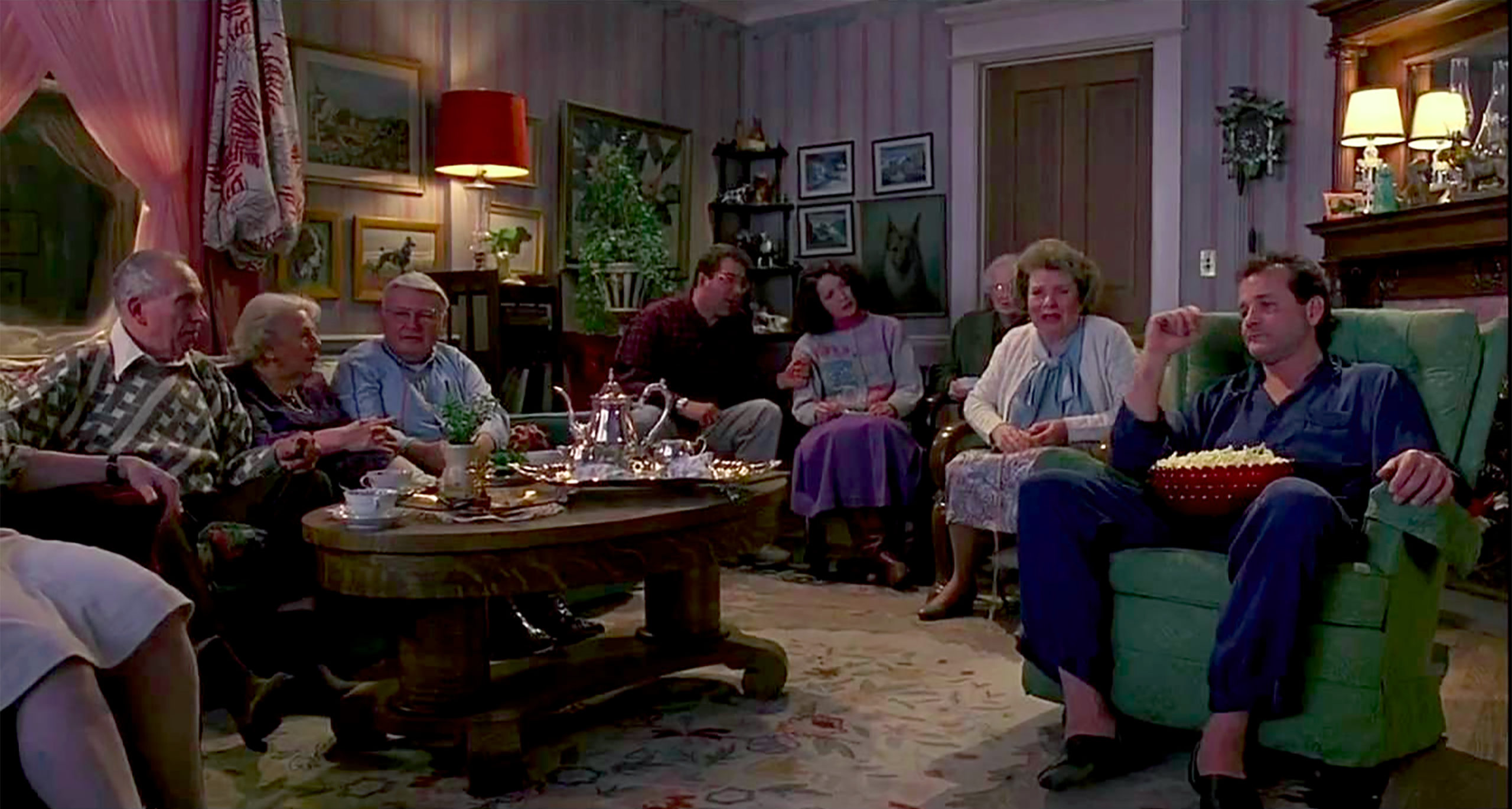
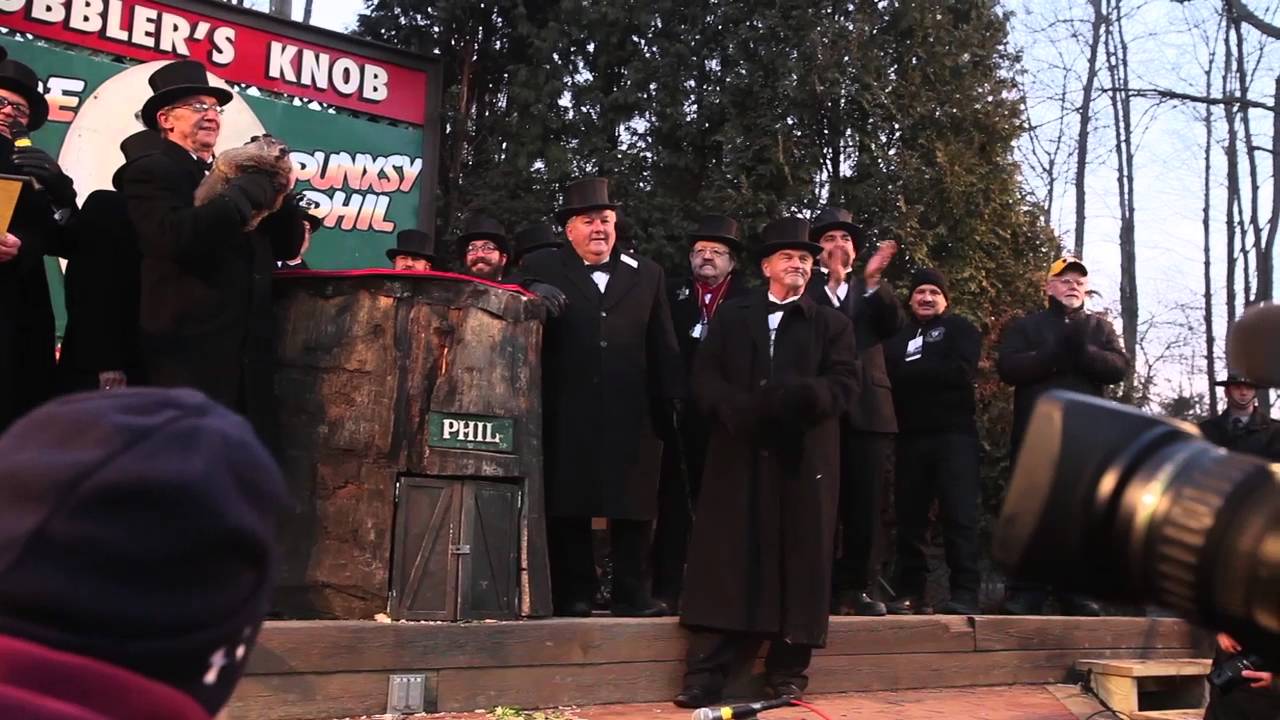
Groundhog Day:
These days feels like the movie Groundhog Day, so here are some backgrounds to match.

Mario Kart:
Itsame! Here are some backgrounds I’ve made relating to the classic game. Letsago!

Parasite:
Beautiful architecture is part of the award-winning movie Parasite.


Read more…

Categories: Personal Tags: ,
15 Oct

XRDC: Augmenting Journalism by Hijacking a Dancing Hot Dog

Comments off

For the most part, AR is making headway through face filters and ephemeral content like Snapchat’s Dancing Hot Dog. But how might this technology be used for non-fiction/journalism stories around homelessness, immigration and other serious topics? This panel I organized brought innovative journalists from diverse media organizations who are pioneering ways to incorporate this technology into their type of storytelling.

The panelists were:

  • Marcelle Hopkins (Co-Director of Immersive Journalism, The New York Times)
  • Elite Truong (Deputy Editor, Strategic Initiatives, The Washington Post)
  • Chaitanya Shah (Developer, Emblematic Group)
  • Moderated by Robert Hernandez (Digital Professor/Founder, USC Annenberg/JOVRNALISM)

    Watch the video here:

    Link: https://www.gdcvault.com/play/1026567/Augmenting-Journalism-by-Hijacking-a